Understanding AI Agents: Foundations and Definitions
Artificial intelligence is reshaping how we interact with technology. Central to this transformation are AI agents, which are intelligent software entities capable of autonomously performing tasks on behalf of users. These agents are designed to enhance productivity, automate routine tasks, and provide insightful recommendations. Understanding the foundations of AI agents is crucial for businesses and individuals looking to leverage their capabilities in various applications.
What Are AI Agents?
AI agents refer to systems that utilize artificial intelligence techniques to execute tasks with a level of autonomy. Unlike traditional software programs that require direct user intervention, AI agents can analyze data, make decisions, and learn from previous interactions. This capability enables them to adapt over time, making them invaluable tools in a range of settings—from customer service chatbots to complex autonomous systems in manufacturing and logistics.
The Evolution of AI Agents Over Time
The concept of AI agents dates back to the early days of computer science, evolving through significant milestones in technology. Initially, simple rule-based systems dominated the landscape. However, with advancements in machine learning and natural language processing, AI agents have evolved to handle more complex tasks and interactions. Today, they are at the forefront of innovation in industries such as healthcare, finance, and entertainment, often serving as virtual assistants that improve decision-making and efficiency.
Key Characteristics of Effective AI Agents
- Autonomy: The ability to operate independently without human intervention.
- Learning: Capacity to improve performance based on experience and data.
- Adaptability: Flexibility to adjust strategies based on external changes or user inputs.
- Interactivity: Capability to engage with users in a meaningful way, often using natural language.
- Goal-Oriented: Focused on achieving specific outcomes efficiently.
Types of AI Agents: Exploring Variants and Applications
Autonomous vs. Assisted AI Agents
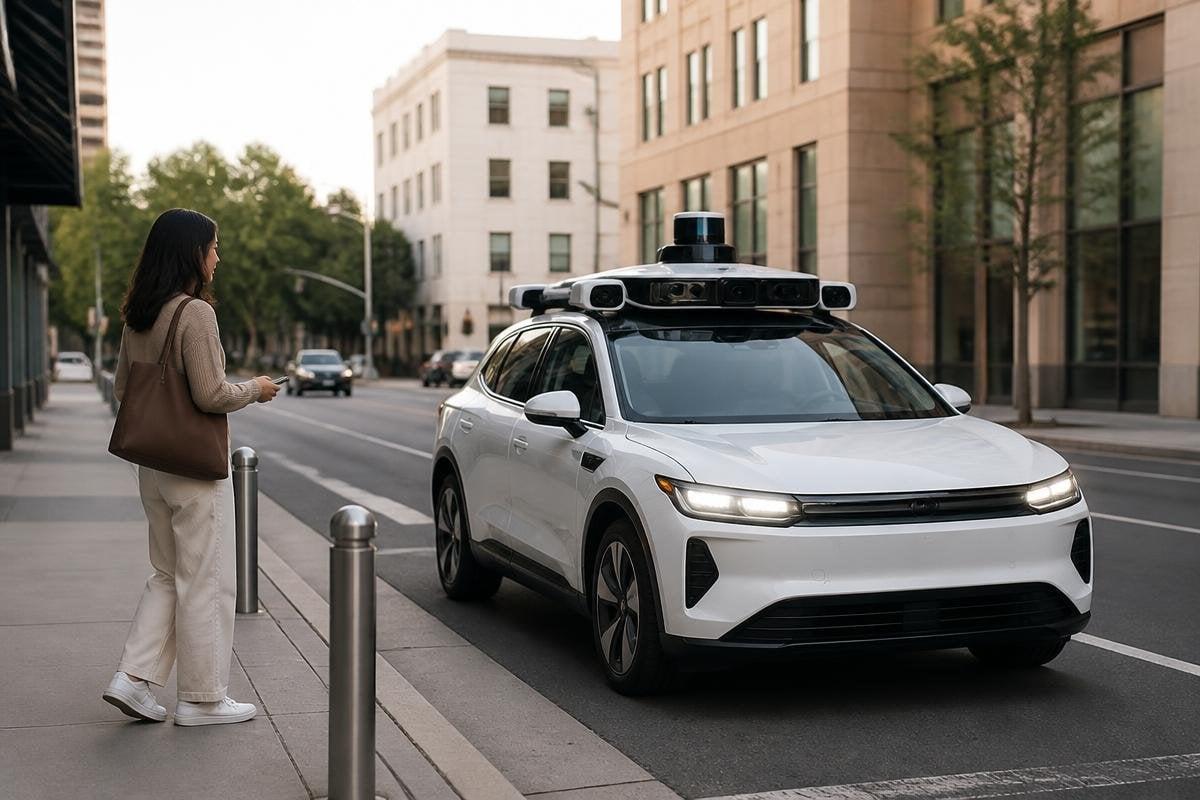
AI agents can be classified into two primary categories: autonomous and assisted. Autonomous AI agents operate independently, executing tasks without human intervention, such as self-driving cars or drone delivery systems. In contrast, assisted AI agents work alongside humans, enhancing their capabilities and providing support. Examples include virtual assistants like Siri or Alexa, which assist users by executing commands and offering information.
Domain-Specific AI Agents: Use Cases Across Industries
Different industries utilize AI agents designed for specific applications. In healthcare, AI agents analyze patient data to aid in diagnosis and treatment planning. In finance, they perform tasks like fraud detection and automated trading. The versatility of domain-specific AI agents allows them to address unique challenges and optimize processes tailored to their respective fields.
Comparative Analysis of Popular AI Agents in 2026
As of 2026, several AI agents have emerged as leaders in the market, each with distinct features and applications. Agents like OpenAI's GPT-4 and IBM Watson are recognized for their advanced natural language processing abilities, enabling nuanced interactions. Google’s AI assistant, meanwhile, excels in integrating with various smart home devices, demonstrating the growing importance of interoperability among AI agents.
Implementing AI Agents: Best Practices for Businesses
Integrating AI Agents into Existing Systems
Successful implementation of AI agents requires careful integration into existing workflows. Businesses should assess current systems and identify areas where AI can add value, enhancing efficiency and reducing manual effort. Establishing clear objectives for AI integration will facilitate a smoother transition and ensure that the technology aligns with business goals.
Guidelines for Training and Optimizing AI Agents
Training AI agents involves providing them with ample data to learn from, which is essential for improving their accuracy and effectiveness. This includes ongoing optimization based on feedback and performance metrics. Businesses should invest in continuous training and retraining processes to refine AI capabilities and adapt to changing market demands.
Measuring Success: Metrics for AI Agent Performance
Measuring the performance of AI agents is crucial for assessing their impact on business processes. Key performance indicators (KPIs) such as task completion rates, response times, and user satisfaction scores can provide insights into agent effectiveness. Regularly reviewing these metrics allows organizations to make data-driven decisions regarding AI utilization.
Challenges and Misconceptions About AI Agents
Addressing Common Challenges in AI Implementation
While implementing AI agents can lead to significant benefits, organizations may face challenges such as integration difficulties, resistance to change, and data privacy concerns. By addressing these issues proactively, businesses can create a conducive environment for AI adoption, ensuring that employees understand the technology's advantages and functionality.
Debunking Myths Surrounding AI Agents
Misconceptions about AI agents can hinder their acceptance. Common myths include the belief that AI agents will replace human jobs entirely or that they can function without oversight. In reality, AI agents are designed to complement human capabilities and require continuous human input to remain relevant and effective.
Legal and Ethical Considerations in AI Usage
The use of AI agents raises important legal and ethical questions, particularly surrounding data usage and user privacy. Organizations must navigate regulations and develop policies that prioritize ethical use of AI technology, ensuring transparency and accountability in their operations.
Future Trends: The Next Frontier for AI Agents
Predictions for AI Agent Development in 2026 and Beyond
Looking ahead, AI agents are expected to become more sophisticated, with advancements in self-learning algorithms and enhanced interactivity. Future developments may include increased emotional intelligence in AI interactions, allowing agents to engage users on a more personal level. This evolution will further integrate AI into everyday life, offering unprecedented convenience and support.
Impact of Emerging Technologies on AI Agents
Emerging technologies such as quantum computing and enhanced sensor technology will also play a pivotal role in the development of AI agents. These advancements could enable AI agents to process information at unprecedented speeds and efficiency, opening new avenues for real-time decision-making and data processing.
Preparing for Change: Strategies for Future-Proofing
To prepare for the future of AI agents, organizations should invest in training their workforce on AI technologies and fostering a culture of continuous learning. Emphasizing adaptability will position businesses to respond effectively to rapid technological changes, ensuring they remain competitive in an increasingly AI-driven marketplace.
What tasks can AI agents automate?
AI agents are capable of automating a variety of tasks, including data entry, customer support interactions, and even complex decision-making processes in industries like finance and healthcare. By taking over repetitive tasks, they enable human workers to focus on more strategic activities.
How do AI agents differ from traditional software?
Unlike traditional software, which requires explicit instructions for every action, AI agents can learn from data and adapt their behavior. This autonomy allows them to handle unforeseen scenarios and improve over time, making them more effective in dynamic environments.
What are some common applications of AI agents?
Common applications of AI agents include chatbots for customer service, recommendation systems in e-commerce, and predictive analytics in marketing. Their versatility allows them to be deployed across various sectors, enhancing efficiency and user experience.
How can businesses measure the performance of AI agents?
Businesses can measure AI agent performance by setting KPIs that align with their goals, such as user engagement rates, error reduction, and overall customer satisfaction. Regular reporting on these metrics can provide insights into the effectiveness of AI implementations.
What ethical concerns arise with the use of AI agents?
Ethical concerns surrounding AI agents include issues of bias in data processing, transparency in decision-making, and the potential for job displacement. Addressing these concerns is essential for fostering trust and ensuring responsible AI use.